
Qualification assessment needed
The university checks whether your Uzbek certificate is equivalent and whether extra preparation is required.
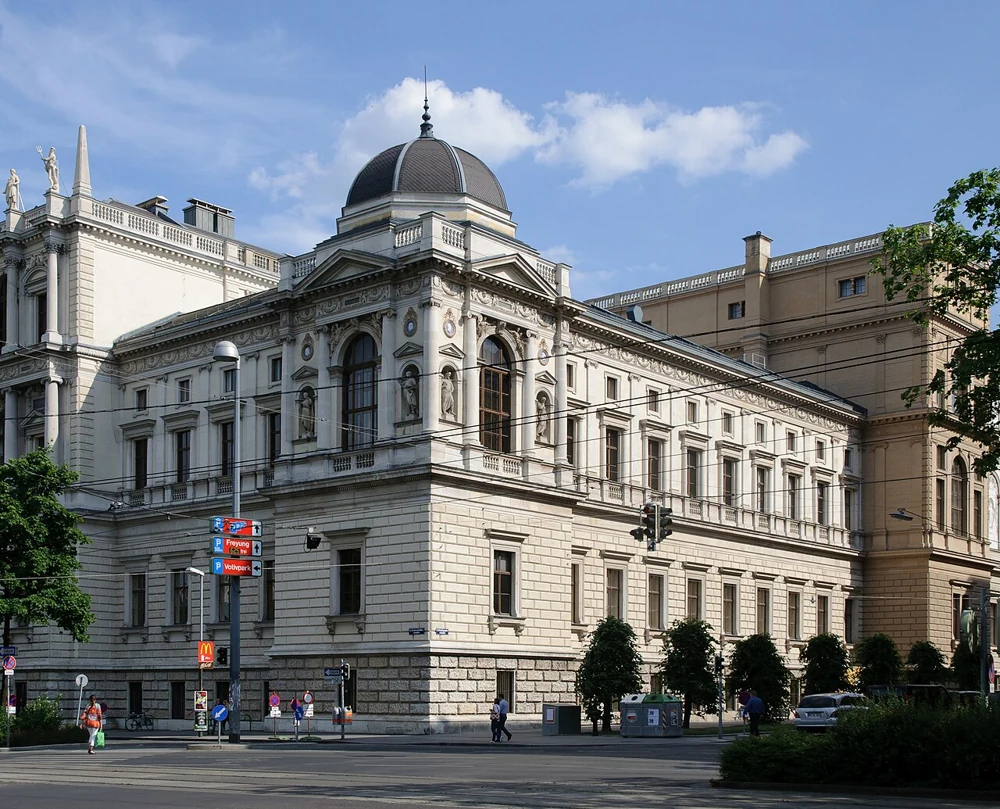
Explore public-university value, with careful planning for language requirements and living expenses.
Plan my studies with UGOFor students in Uzbekistan. For the families beside them.Your school certificate, subjects and study language shape your next step.
Generally at least 6 semesters; applied-sciences bachelor’s degrees usually take 3 years.
The university checks whether your Uzbek certificate is equivalent and whether extra preparation is required.
Many degrees require German. Some programmes also have entrance exams or interviews.
German predominates, with English-taught options available. Most degrees are in German. Check English availability for your subject.
Headline estimates are in USD, before scholarships. Tuition is shown per year; living costs per month.
General non-EU rate published by Study in Austria
Official 2026 student living-cost estimate
Students from outside the EU can obtain permission for employment up to 20 hours a week without a labour-market test. Your employer must apply to AMS, and approval must arrive before work starts.
Check the official work rulesConfirm the permit process with your employer. German is useful for many customer-facing and office jobs.
A job can help with everyday spending, but vacancies and earnings are not guaranteed. Plan your tuition and essential living costs without relying on future work.
Full-degree scholarships are limited. Compare public tuition with any private-university scholarship and make a separate plan for living expenses.
Examples to explore, not guaranteed awards. Admission and scholarship applications can have different deadlines.
$4,585–13,750 per year towards this private university’s tuition.
Academic and financial criteria apply. Renewable subject to conditions; living costs are extra.

Austria brings together academic research, arts education and applied learning. Institution type makes a real difference to your course experience.
Strategy, marketing and operations. Compare industry projects, internships and entrepreneurship options.
Programming, software systems and algorithms. Compare AI, cybersecurity and software engineering pathways.
Machines, materials and design. Explore automotive, aerospace, energy or manufacturing pathways.
Building design, studio work and the built environment. Check portfolio requirements and the route to professional practice.
Human behaviour, cognition and research methods. Clinical practice usually requires further qualifications.
Climate, ecosystems and sustainable development. Compare fieldwork, science and policy content.
History, literature, culture and language. Compare writing, analysis and language-learning opportunities.
A foundation for research, technology and further study. Compare laboratory access and specialist pathways.
Before you chooseCheck German requirements and any entrance procedure. Public universities and applied-science institutions have different course structures.
QS World University Rankings 2027
Overall university rankings, not subject rankings. “=” means a shared rank; a range is a ranking band. Compare course content, language and entry requirements too.
These are examples to research, not UGO partners or guaranteed admission or funding.
Bring your school results, subject interests and a family budget to your consultation.
Application windows vary by institution. Courses with entrance exams may require applying months before the semester starts.
Start with your passport, school transcript and graduation certificate or predicted results. Check the university’s rules for translations, test scores, essays and recommendations.
Ask for the full course cost, housing options, scholarship renewal rules and deposit refund terms before you commit.
Answers for students and parents in Uzbekistan. Reviewed 27 September 2026; confirm current requirements for your intake using the linked sources.
An Austrian university must decide whether your Uzbek school certificate is equivalent to its required entry qualification. Additional preparation may be necessary, depending on that assessment and your course. Ask admissions to review your full certificate and subject results before choosing a preparatory programme. Confirm any required supplementary examinations, teaching language and conditions for progressing into the degree.
Many Austrian bachelor’s degrees are taught in German and require German-language evidence. English-taught courses set their own accepted tests and scores, while some subjects also have entrance examinations or interviews. Check the exact institution and programme, including any preparation-stage requirements. A language course or certificate alone does not establish that you meet academic entry requirements.
Full-degree funding in Austria is limited. Webster Vienna provides a private-university example of partial scholarships for admitted students meeting academic, English and financial-need criteria. Its published process asks for financial evidence and supporting materials; renewal depends on required grades and full-time study. Compare the remaining private tuition with public-university costs, and plan separately for living expenses.
Study in Austria’s figures, checked September 2026, indicate about USD 1,725 annual public-university tuition at the general non-EU rate and USD 17,900 for twelve months of living. Student charges are additional, and private or applied-science institutions set different fees. Confirm your programme, preparation costs, housing and insurance, then add travel and deposits to your personal budget.
Application windows vary by Austrian institution, and courses with entrance examinations can require action months before the semester begins. Prepare your school certificate, subject results and language evidence, then follow the university’s instructions for translations or certification. Keep examination registration, degree admission and scholarship deadlines separate, with time remaining for housing and residence arrangements.
Students from outside the EU can obtain permission for employment of up to 20 hours weekly without a labour-market test. Your employer must apply to AMS, and permission must be granted before work begins. Ask the university and employer to confirm your situation, especially for internships. German ability can widen your options, but employment is not guaranteed.
Compare public universities, universities of applied sciences and specialist institutions according to how you want to learn. For business, engineering, architecture or psychology, review modules, entrance procedures and teaching language. German is important for many degrees. Check practical components, the path to any professional qualification and the total fees, rather than treating all Austrian institutions as equally priced.
Tell the Austrian institution and housing provider that you will be under 18, and ask which consent, contract or local-support arrangements are needed. Confirm that the proposed accommodation accepts your age before paying. Agree emergency contacts, medical support, travel dates and communication arrangements with your parents, including help with German-language administration where needed.